Categories
Blog / Resources

Healing Your Gut After Antibiotics: How to Get Your Gut Back on Track

Healing Your Gut After Antibiotics: How to Get Your Gut Back on Track

So, you’ve just finished a course of antibiotics, and while those meds may have taken care of the infection, they might have also left your gut feeling… off. If you’re dealing with bloating, irregular digestion, or just a general sense that your stomach isn’t back to its normal self, you’re not alone. Antibiotics are great at killing harmful bacteria, but they can also wipe out the good bacteria that your gut relies on to keep everything in balance.

The good news? You can totally get your gut back on track with the right nutrition and lifestyle changes! Let’s dive into how you can help your gut recover after antibiotics.

What Happens to Your Gut After Antibiotics?

When you take antibiotics, they don’t just target the bad bacteria causing the infection—they often wipe out a large chunk of the good bacteria in your gut too. This imbalance can lead to digestive issues like bloating, gas, and irregular bowel movements. In some cases, it might even contribute to longer-term issues like food sensitivities or a weakened immune system (since so much of your immune health is tied to your gut!).

But don’t worry—it’s possible to restore your gut’s healthy bacteria and get your digestion back to normal with a few simple, gut-friendly strategies.

1. Add Probiotics to Restore Balance

The quickest way to help your gut bounce back is to reintroduce probiotics—the good bacteria that your gut needs to function properly. Probiotics can help restore balance by repopulating your gut with beneficial bacteria.

Here are some of the best probiotic-rich foods to add to your diet:

  • Yogurt: Look for unsweetened yogurt with “live and active cultures.”
  • Kefir: This fermented milk drink is packed with probiotics.
  • Sauerkraut & Kimchi: These fermented veggies are both delicious and great for your gut.
  • Miso & Tempeh: Fermented soy products that support gut health.

Pro Tip: If you’re not getting enough probiotics from food, you can also consider a high-quality probiotic supplement. Just make sure to pick one with a variety of strains for the best results.

2. Feed Your Gut with Prebiotics

While probiotics are the good bacteria your gut needs, prebiotics are the food that these bacteria need to thrive. Prebiotics are a type of fiber that your body doesn’t digest, but your gut bacteria love to munch on. By eating more prebiotic-rich foods, you’ll help your gut bacteria flourish.

Prebiotic-rich foods include:

  • Garlic & Onions: Flavorful and full of gut-loving fiber.
  • Asparagus & Artichokes: Great sources of prebiotics.
  • Bananas: Especially when they’re a little underripe.
  • Chicory Root: Often used as a coffee substitute, and a powerhouse of prebiotics.

Quick Fix: Add these foods to your meals throughout the day to ensure your gut bacteria are well-fed and happy.

3. Focus on Fiber to Keep Things Moving

Fiber is key for digestion and helps keep things moving through your gut, preventing constipation (which can sometimes happen after antibiotics). Plus, fiber acts as a prebiotic, supporting the growth of good bacteria.

High-Fiber Foods to Add:

  • Leafy Greens: Spinach, kale, and Swiss chard are all fiber-rich.
  • Whole Grains: Think oats, quinoa, and brown rice.
  • Fruits & Veggies: Apples, carrots, and berries are all excellent sources of fiber.

Pro Tip: Be sure to drink plenty of water when you’re increasing your fiber intake. Fiber needs water to move smoothly through your digestive system!

4. Avoid Sugar and Processed Foods

While you’re working to restore your gut health, try to avoid foods that can cause inflammation or feed bad bacteria, like refined sugars and processed foods. These can slow down your recovery by promoting the growth of harmful bacteria in your gut.

Instead, focus on whole, unprocessed foods that nourish your body and support gut healing.

5. Stay Hydrated

Water is essential for digestion and helps flush out toxins and support the movement of food through your digestive system. After a course of antibiotics, staying hydrated is key to helping your body heal and maintaining a healthy gut.

6. Get Enough Sleep and Manage Stress

It’s not all about food—sleep and stress management are crucial for gut health too. Sleep is when your body repairs itself, and chronic stress can negatively impact your gut bacteria. Try to get 7-9 hours of sleep each night and find ways to manage stress, like yoga, meditation, or even just a relaxing walk.

Bottom Line: Nurture Your Gut Back to Health

After antibiotics, your gut needs a little extra TLC to get back on track. By adding probiotic-rich foods, feeding your gut with prebiotics, and focusing on fiber and hydration, you can help restore balance and keep your digestion running smoothly.

Remember, healing takes time, so be patient with your gut. Small, consistent changes can make a big difference, and soon enough, your digestion (and overall health) will thank you!
Categories
Blog / Resources

Meal Prep Tips for Anti-Inflammatory Diets: Make Healthy Eating Effortless

Meal Prep Tips for Anti-Inflammatory Diets: Make Healthy Eating Effortless

Let’s be real—sometimes eating healthy feels like it takes a ton of time, especially when you’re trying to follow an anti-inflammatory diet. Between work, family, and everything else going on, meal prep might sound like just another item on the never-ending to-do list. But here’s the truth: meal prep can actually save you tons of time and stress during the week—and it’s easier than you think!

Ready to make meal prep your best friend? Let’s dive into some tips that’ll help you stick to your anti-inflammatory goals while keeping things simple, delicious, and fast.

What’s the Deal with Anti-Inflammatory Diets?

First off, why are we so focused on anti-inflammatory foods? Inflammation is your body’s natural response to injury or infection, but chronic inflammation—the kind that sticks around—can lead to all kinds of health problems, from joint pain to digestive issues and even heart disease. That’s where an anti-inflammatory diet comes in. By focusing on whole, nutrient-dense foods and minimizing processed junk, you’re helping your body fight off that unwanted inflammation.

But here’s the kicker—prepping these foods in advance makes it WAY easier to stay on track.

1. Start with a Weekly Plan (But Keep It Flexible)

The first step in mastering meal prep is to plan out your meals for the week. You don’t need to get too rigid—just choose a few main meals you’ll want to make. Keep it simple with options like roasted veggies, salads, grain bowls, or soups. These can all be easily stored and mixed and matched throughout the week.

Quick Tip: Pick a theme for the week to make planning even easier, like “Mediterranean-inspired” or “plant-based power.” This way, you can use similar ingredients for multiple meals.

2. Batch Cook Your Anti-Inflammatory Staples

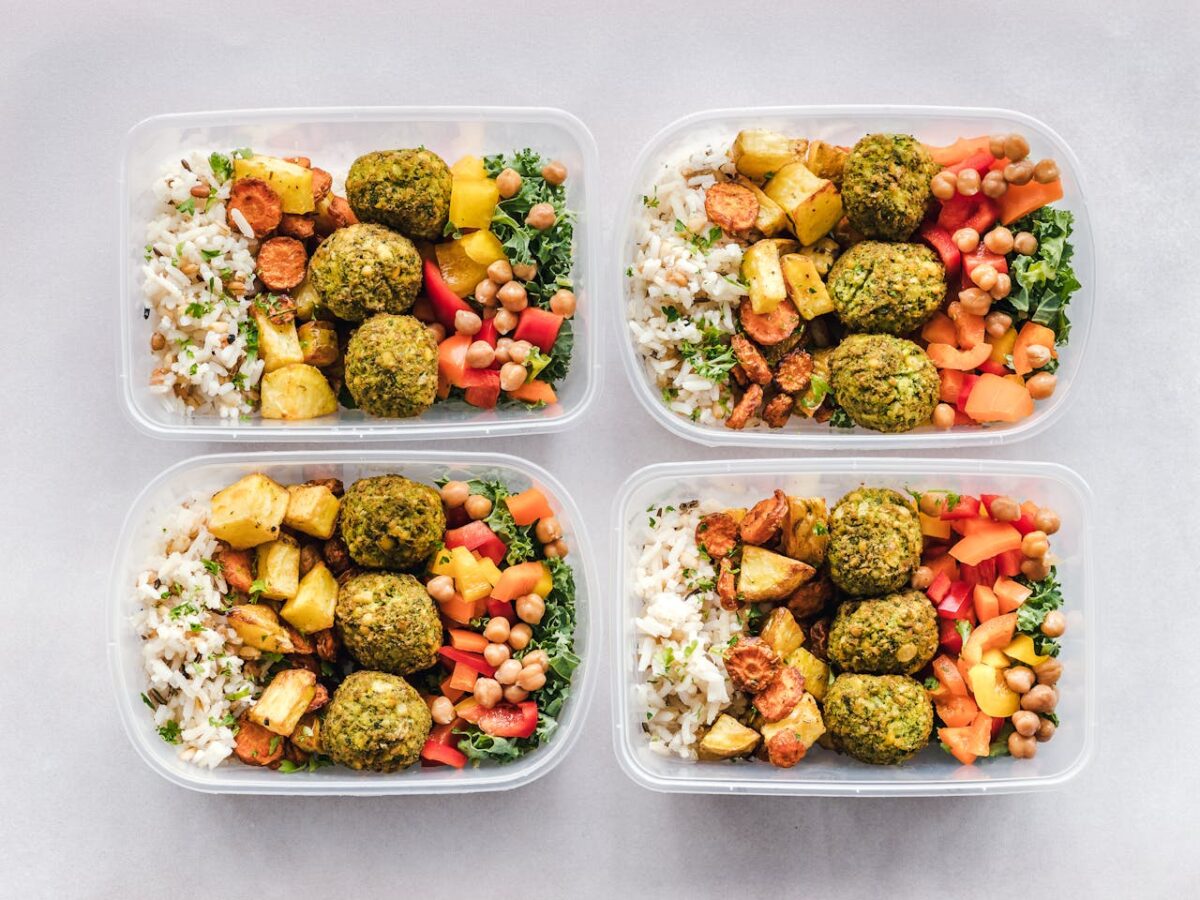
Once you’ve got your plan, it’s time to start batch cooking. Choose a day (Sundays work great for most people) to cook big batches of your favorite anti-inflammatory staples that can be used in different meals.

Here are some staples you can prep ahead:

  • Roasted Veggies: Sweet potatoes, carrots, and Brussels sprouts are great anti-inflammatory veggies that can be roasted and stored for quick meals.
  • Millet or Sorghum: These whole grains are packed with fiber and can be added to bowls, salads, or stir-fries.
  • Lean Proteins: Think grilled chicken, salmon, or plant-based proteins like lentils and chickpeas. These can be pre-cooked and tossed into different meals during the week.

Storage Hack: Use airtight containers and label everything with the date it was cooked. This makes it super easy to grab and go.

3. Prep Your Anti-Inflammatory Snacks

Snacks can make or break your healthy eating goals, especially when you’re hungry between meals. By prepping a few anti-inflammatory snacks in advance, you’ll always have something healthy on hand when cravings hit.

Here are some easy snack ideas:

  • Veggie Sticks with Hummus: Carrots, cucumbers, and bell peppers are perfect for dipping in homemade (or store-bought) lectin-free hummus.
  • Mixed Nuts: A handful of walnuts, almonds, or pumpkin seeds makes for a quick, nutrient-dense snack.
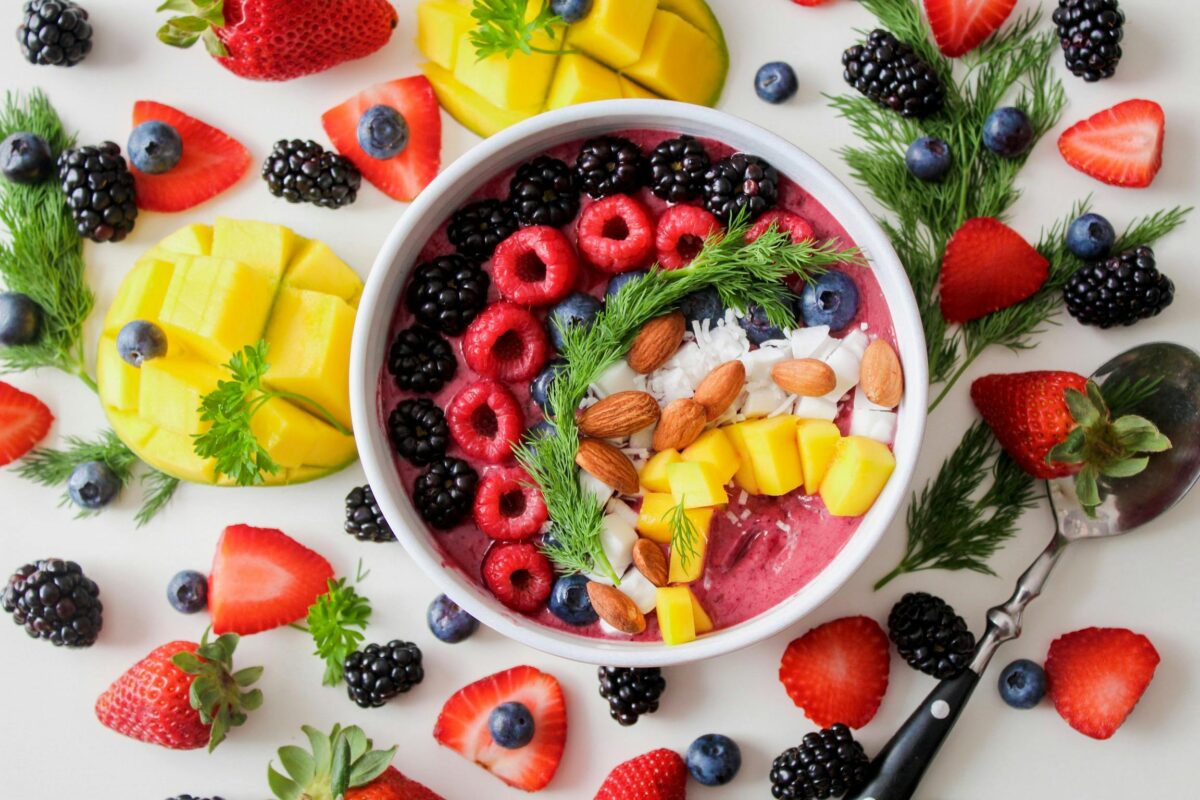
  • Berry Bowls: Blueberries, strawberries, and raspberries are loaded with antioxidants. Prep them in small containers for an easy grab-and-go snack.

Pro Tip: Keep snacks in easy-to-see places in your fridge or pantry, so you’re more likely to reach for them.

4. Make Dressings and Sauces in Advance

One of the best ways to elevate your meals—and keep them exciting throughout the week—is to have some homemade dressings and sauces ready to go. These can instantly transform a basic grain bowl or salad into something crave-worthy!

Here are some anti-inflammatory sauce ideas:

  • Turmeric-Tahini Dressing: Combine tahini, lemon juice, turmeric, and a little olive oil for an anti-inflammatory powerhouse.
  • Avocado-Cilantro Sauce: Blend avocado, cilantro, lime juice, and garlic for a creamy sauce that’s perfect for topping roasted veggies or grilled chicken.

Make It Last: Store dressings in mason jars in the fridge. They’ll usually last a full week and are perfect for adding flavor to any meal.

5. Use Freezer-Friendly Meals for Busy Days

Some days, cooking is just NOT going to happen, no matter how well you’ve planned. That’s where freezer-friendly meals come in handy. Make extra servings of soups, stews, or chili, and freeze individual portions. This way, you can pull out a healthy, anti-inflammatory meal whenever you need it.

Freezer Faves:

  • Butternut Squash Soup: Full of anti-inflammatory ingredients like ginger and turmeric.
  • Lentil Stew: Packed with fiber, protein, and anti-inflammatory spices like cumin and coriander.

Freezer Tip: Store your meals in BPA-free containers or freezer-safe bags, and make sure to label them with the date!

Bottom Line: Meal Prep Makes Anti-Inflammatory Eating a Breeze

By dedicating a little time each week to meal prep, you’ll make it so much easier to stick to your anti-inflammatory diet, even when life gets hectic. With a few simple staples, prepped snacks, and flavorful sauces on hand, healthy eating becomes effortless and delicious.

So grab your shopping list, clear out some space in the fridge, and get ready to power through the week with meals that support your body and keep inflammation at bay!

Categories
Blog / Resources

The Power of Fermented Foods in Gut Health: Why Your Gut Loves a Little Fermentation!

The Power of Fermented Foods in Gut Health: Why Your Gut Loves a Little Fermentation!

Gut health is all the rage these days, and for a good reason. A happy gut means better digestion, a stronger immune system, and even a boost in mood. But what’s one of the easiest, tastiest ways to give your gut a little extra love? Fermented foods!

I know, I know—when you hear “fermented,” you might think of funky smells or sour flavors. But trust me, these foods are gut superheroes, and I’m going to show you how they can totally transform your digestive health (and maybe even your taste buds!).

What’s So Special About Fermented Foods?

Fermentation is a process where natural bacteria feed on the sugars and starches in food, turning them into beneficial compounds. In this magical process, foods are not only preserved but also loaded with probiotics—the good bacteria that your gut absolutely loves. These probiotics help balance your gut flora, fight off harmful bacteria, and promote overall digestive health.

Think of your gut as a bustling city—probiotics are like the friendly neighbors who keep things running smoothly, while harmful bacteria are the troublemakers. By eating fermented foods, you’re helping those good bacteria thrive!

Top Fermented Foods for Gut Health

Let’s get to the good stuff—what fermented foods should you be eating? Here are some of the best options that can give your gut a healthy dose of probiotics:

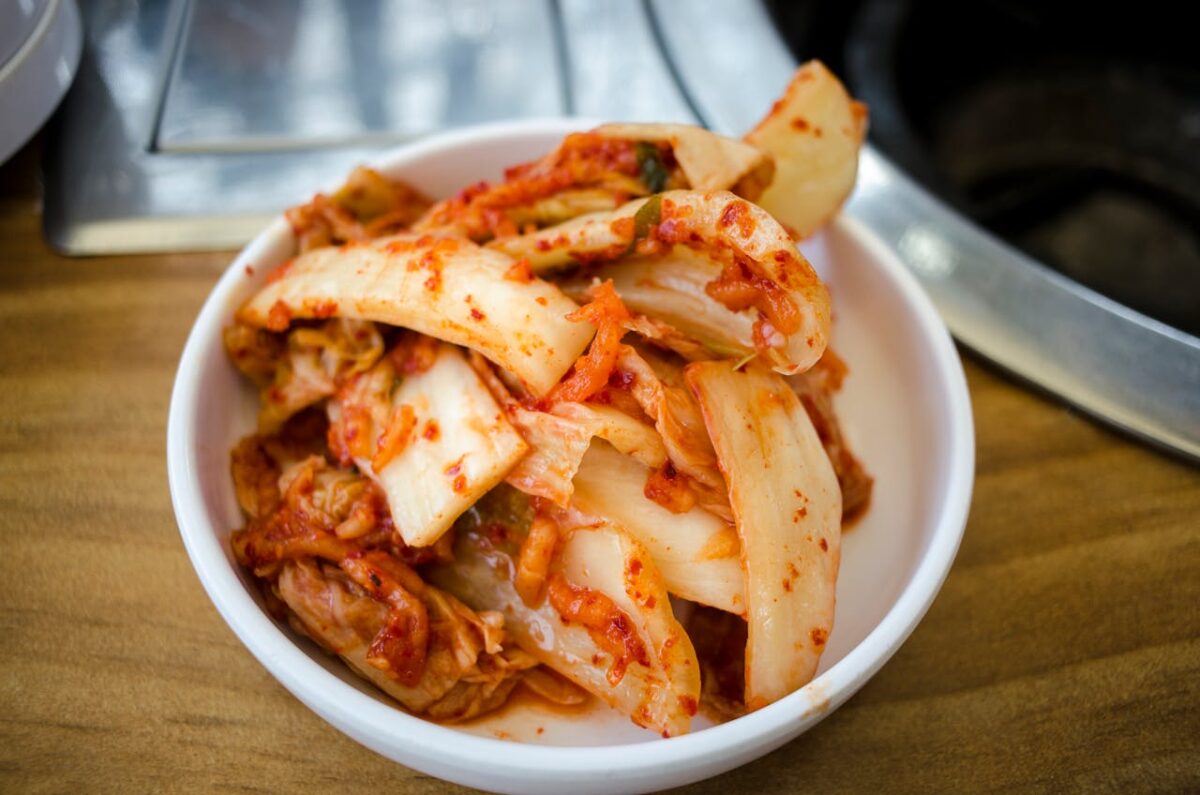
  1. Kimchi
    This spicy, tangy Korean dish is made from fermented vegetables like cabbage and radishes. Not only is it bursting with flavor, but it’s also packed with lactobacilli, a type of probiotic that helps improve digestion and boost your immune system.

    How to Enjoy: Add a side of kimchi to your meals, or mix it into a stir-fry for an extra kick of flavor and probiotics!

  2. Sauerkraut
    Another cabbage-based superstar, sauerkraut is a German favorite that’s rich in probiotics. It’s super easy to add to sandwiches, salads, or as a side dish. Just make sure you’re getting the raw, unpasteurized kind—otherwise, those beneficial bacteria won’t be there.

    Snack Hack: Keep a jar of raw sauerkraut in the fridge for a quick, crunchy, gut-friendly snack.

  3. Kefir
    Think of kefir as yogurt’s cooler, more fermented cousin. It’s a tangy, fermented milk drink that’s loaded with probiotic cultures. Kefir is great for your gut because it contains a variety of bacteria and yeast, which help restore balance to your digestive system.

    Pro Tip: Try kefir in smoothies, or drink it straight up for a refreshing gut-boosting treat.

  4. Yogurt
    Probably the most well-known fermented food, yogurt is a fantastic source of probiotics, especially if it’s labeled as containing “live and active cultures.” Look for plain, unsweetened yogurt to avoid added sugars, which can actually harm your gut bacteria.

    Mix It Up: Add fresh fruit, seeds, or a drizzle of honey to your yogurt for a delicious and nutritious snack.

  5. Miso
    This fermented soybean paste is a staple in Japanese cooking and adds a savory, umami flavor to soups, marinades, and sauces. Miso is rich in enzymes and probiotics, making it a powerful ally for your gut health.

    How to Use: Add a spoonful of miso to hot water for a quick, nourishing soup or mix it into salad dressings for a probiotic punch.

Why Your Gut Needs Probiotics

Your gut is home to trillions of bacteria, both good and bad. The goal is to keep the good bacteria in charge so your digestion, immune system, and even your mood stay balanced. When things like stress, illness, or poor diet disrupt this balance, that’s when probiotics can come to the rescue.

Probiotics help:

  • Improve digestion: By breaking down food more efficiently, they can help prevent bloating, gas, and other digestive issues.
  • Boost your immune system: A healthy gut is your first line of defense against harmful invaders, like viruses and bacteria.
  • Enhance mood: The gut produces many neurotransmitters, like serotonin, that influence your mood and well-being. A healthy gut can mean a happier you!

How to Add Fermented Foods to Your Diet

Incorporating fermented foods into your diet doesn’t have to be complicated. Start small by adding a spoonful of sauerkraut or kimchi to your meals, or swap out your regular yogurt for a probiotic-rich version. You can also experiment with making your own fermented foods at home—like kefir or kombucha—for an extra personal touch!

Bottom Line: Fermented Foods for a Happy Gut

Fermented foods are a simple and delicious way to improve your gut health, support digestion, and give your immune system a boost. So why not give them a try? Your gut will thank you—and you might just find some new favorite flavors along the way!

Categories
Blog / Resources

Lectin-Free Snacks for Busy Days: Easy, Tasty, and Gut-Friendly!

Lectin-Free Snacks for Busy Days: Easy, Tasty, and Gut-Friendly!

Hey, snack lovers! If you’re anything like me, your days can get super busy, and sometimes it feels like there’s barely time to think about food, let alone make something healthy. But don’t worry—I’ve got you covered with some quick and easy lectin-free snack ideas that will keep you fueled throughout the day. No more staring at the pantry in confusion, wondering what’s safe to eat!

Ready to level up your snack game? Let’s jump in!

Why Go Lectin-Free?

Quick refresher: lectins are plant proteins found in certain foods that can cause digestive issues for some people. They’re particularly common in grains, legumes, and nightshade vegetables like tomatoes and potatoes. If you’re following a lectin-free diet (like me!), finding snacks can sometimes feel tricky. But guess what? There are tons of delicious, easy options that are totally lectin-free!

1. Avocado Slices with Olive Oil and Sea Salt

Let’s start with a classic. Avocados are a powerhouse of healthy fats, fiber, and vitamins. Slice one up, drizzle with some good-quality olive oil, sprinkle a little sea salt, and boom—you’ve got a snack that’s rich, satisfying, and keeps your blood sugar stable. Plus, it’s a lectin-free lifesaver.

Pro Tip: Add a dash of lemon juice to brighten the flavor and keep the avocado from browning!

2. Veggie Sticks with Hummus (Lectin-Free Style)

Okay, we know that chickpeas are usually a no-go on a lectin-free diet, but guess what? You can make lectin-free hummus using ingredients like cauliflower or zucchini instead! Pair your hummus with crunchy veggie sticks—think cucumbers, carrots, or celery—and you’ve got a fresh, satisfying snack that takes no time to prep.

DIY Hummus Recipe: Blend steamed cauliflower with tahini, olive oil, lemon juice, garlic, and salt. Add cumin or smoked paprika for an extra kick!

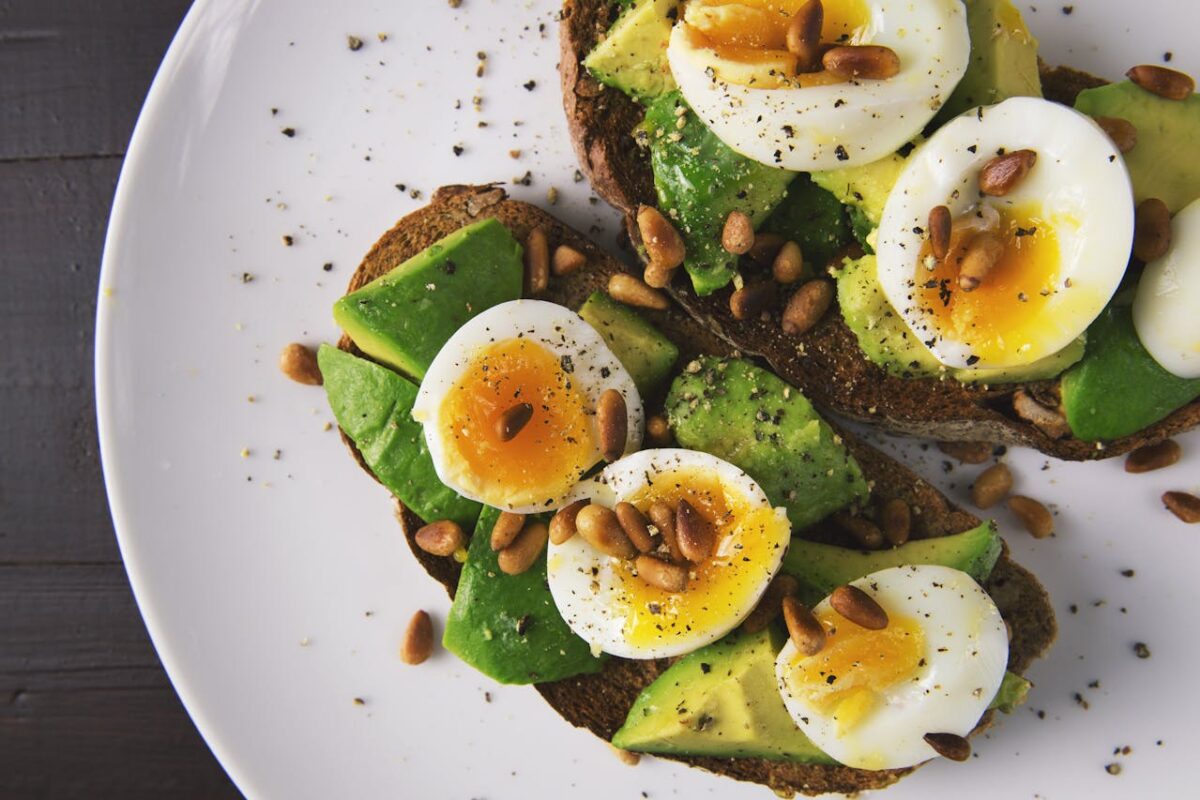
3. Hard-Boiled Eggs

Hard-boiled eggs are one of the best grab-and-go snacks out there. They’re packed with protein, healthy fats, and essential nutrients like choline. Plus, they’re super easy to make ahead of time and store in the fridge for busy days.

Snack Hack: Sprinkle with a little sea salt or even some paprika for extra flavor. These are perfect for that afternoon energy dip!

4. Nuts and Seeds

Need something to munch on between meetings? Nuts and seeds are your best friend. They’re full of healthy fats, fiber, and minerals, and they’ll keep you satisfied for longer than those sugary snacks. Just make sure you go for the right ones—almonds, walnuts, macadamia nuts, and pumpkin seeds are all great lectin-free options.

Portion Control: Stick to a small handful—these little guys pack a punch, and you don’t need a ton to feel full!

5. Lettuce Wraps with Turkey and Avocado

When you need something a bit more filling but still quick, lettuce wraps are the answer. Grab some romaine or butter lettuce, pile in some sliced turkey (make sure it’s nitrate-free!), avocado, and maybe a drizzle of mustard. Wrap it all up, and you’ve got yourself a protein-packed snack that’s light yet satisfying.

Why It Works: The healthy fats from the avocado and protein from the turkey keep your energy up without weighing you down.

6. Coconut Yogurt with Berries

Here’s a sweet treat that’s completely guilt-free and lectin-free. Grab some unsweetened coconut yogurt (you can usually find this at health food stores) and top it with a handful of fresh berries like blueberries or raspberries. Not only does this snack support gut health with its probiotics, but it’s also a great source of antioxidants!

Sweet Tip: Add a drizzle of honey or a sprinkle of cinnamon for extra flavor without the sugar crash.

7. Almond Flour Crackers with Guacamole

Who doesn’t love a good dip? Almond flour crackers are a great lectin-free alternative to regular crackers. Pair them with a scoop of fresh guacamole, and you’ve got a crunchy, creamy snack that’ll make you wonder why you ever ate anything else.

Snack Shortcut: No time to make guacamole? Mash up an avocado with lime juice and a pinch of salt—it’s the fastest guac ever!

8. Dark Chocolate with Almond Butter

Yes, you can have chocolate! Just make sure it’s dark chocolate (at least 72% cacao) and pair it with a spoonful of almond butter. This combo gives you healthy fats, antioxidants, and a little indulgence—all while staying lectin-free.

Pro Tip: Go for almond butter that’s made from just almonds, with no added sugars or oils.

Snack Smart, Stay Satisfied

There you have it! These lectin-free snacks are all super easy to prepare, packed with nutrients, and perfect for keeping you fueled during busy days. The best part? You won’t feel deprived or sluggish after eating them. Whether you need a quick bite between meetings or a portable snack for on the go, these options will keep your energy up and your gut happy.

So next time you’re rushing out the door, grab one of these snacks and know you’re making a great choice for your body and your taste buds!

Categories
Blog / Resources

Superfoods to Boost Your Immune System: Power Up Your Plate!

Superfoods to Boost Your Immune System: Power Up Your Plate!

Let’s face it—keeping your immune system in top shape is a big deal. Whether it’s cold season, flu season, or just the general desire to feel your best, the foods you eat can make a huge difference in how well your body fights off sickness. Yep, food is medicine, and today, I’m giving you a cheat sheet on the superfoods that give your immune system a serious power boost.

Ready to power up your plate? Let’s dive in!

What Are Superfoods, Anyway?

Superfoods are like nature’s rockstars—they’re packed with nutrients, antioxidants, and vitamins that can help your body fight off infections and recover faster. Think of them as the superheroes of the food world.

Now, let me share a few of my all-time favorite superfoods that can help strengthen your immune system, and, guess what? You probably already have some of them in your kitchen!

1. Citrus Fruits: Vitamin C Royalty

You know this one was coming! Citrus fruits like oranges, lemons, and grapefruits are loaded with vitamin C, which is a superstar for your immune system. Vitamin C is known to help your body produce white blood cells—the defenders that attack harmful invaders like bacteria and viruses.

Tip: Squeeze some fresh lemon juice into warm water each morning for a refreshing immune-boosting start to your day!

2. Ginger: Spicy and Soothing

Feeling a little under the weather? Grab some ginger! Not only does it add a zing to your dishes, but ginger has anti-inflammatory properties that can help reduce a sore throat and combat nausea. Ginger also contains compounds that fight infection, making it an immune-boosting superstar.

Fun Fact: Gingerol, the active compound in ginger, is what gives it its medicinal properties. Make yourself a ginger tea or add it to stir-fries for an extra immune kick.

3. Garlic: Nature’s Antibiotic

Garlic doesn’t just keep vampires away—it’s also a potent immune booster. Packed with allicin, a compound known to have antimicrobial properties, garlic is one of the best natural antibiotics out there. Studies even show that people who eat garlic regularly are less likely to catch a cold.

How to Use: Crush a few cloves into your meals, soups, or salads. Raw garlic has the most benefits, but cooked is still great, too!

4. Spinach: The Green Machine

Popeye was onto something! Spinach is rich in vitamin C, antioxidants, and beta carotene, all of which can help your immune system fend off infections. But here’s a trick—don’t overcook it! Lightly cook or steam spinach to retain its nutrients.

Spinach Power Tip: Add a handful of fresh spinach to your smoothies for a hidden nutrient boost that you won’t even taste.

5. Turmeric: Golden Goodness

This golden spice is more than just a trendy latte ingredient. Turmeric contains curcumin, a compound with powerful anti-inflammatory effects. It can help your immune system function at its best by reducing inflammation in your body and protecting you from illnesses.

How to Use: Add turmeric to curries, soups, or even your morning smoothie. Pair it with black pepper to boost curcumin absorption!

6. Almonds: Crunchy Vitamin E Bomb

Vitamin E plays a key role in a healthy immune system, and almonds are packed with it. It’s a fat-soluble vitamin, meaning your body absorbs it better when eaten with healthy fats. Almonds, along with other nuts, provide a satisfying way to get your vitamin E fix.

Snack Attack: Keep a small bag of almonds handy for an immune-boosting snack on the go!

7. Yogurt: The Probiotic Powerhouse

Your gut health is directly linked to your immune health, and that’s where probiotics come in! Probiotics are beneficial bacteria found in yogurt (especially the ones with “live and active cultures”). These friendly bacteria help balance your gut flora, which is crucial for a strong immune response.

Yogurt Hack: Look for plain, unsweetened yogurt and add your own fruit or honey for natural sweetness and extra nutrients.

8. Berries: Tiny But Mighty

Berries like blueberries, strawberries, and raspberries are rich in antioxidants that help your body combat oxidative stress and inflammation—both of which can weaken your immune system. Berries are also high in vitamin C, giving you an extra immune boost.

Berry Tip: Add a handful of fresh or frozen berries to your breakfast or a mid-day snack to enjoy their immune-boosting benefits.

9. Green Tea: Sip Your Way to Immunity

Green tea is packed with antioxidants, particularly EGCG (Epigallocatechin gallate), which has been shown to enhance immune function. Green tea also contains L-theanine, an amino acid that may aid in the production of germ-fighting compounds in your T-cells.

Tea Time: Swap your afternoon coffee for a cup of green tea for a calming, immune-supporting break.

Bottom Line: Eat (and Drink) to Defend!

When it comes to keeping your immune system strong, it’s all about fueling your body with the right nutrients. These superfoods are easy to find, delicious, and pack a serious punch when it comes to boosting your immunity. So, the next time you’re prepping your meals or grabbing a snack, think about how you can incorporate some of these immune-boosting foods.

Remember, a strong immune system starts with the little choices you make every day. Power up your plate, and your immune system will thank you later!

Categories
Blog / Resources

Easy Lectin-Free Recipes for Every Day

Easy and Delicious Lectin-Free Recipes for Everyday Meals

Staying lectin-free doesn’t mean you have to miss out on tasty meals! Here are some easy, satisfying recipes that are perfect for busy days.

1. Lectin-Free Breakfast Bowl

Ingredients:

  • 2 eggs (or egg whites)
  • 1 avocado, diced
  • 1 handful of spinach
  • 1 tbsp olive oil
  • Salt and pepper to taste
  • A few slices of smoked salmon (optional)

Instructions:

  1. Heat olive oil in a pan and sauté the spinach until wilted.
  2. In another pan, cook the eggs to your liking (scrambled, poached, or fried).
  3. Assemble the bowl with eggs, spinach, avocado, and smoked salmon (if using).
  4. Season with salt and pepper.

2. Cauliflower Mash with Herb Butter

Ingredients:

  • 1 head of cauliflower, chopped
  • 2 tbsp grass-fed butter or ghee
  • 1 garlic clove, minced
  • Salt, pepper, and herbs (chives or parsley) to taste

Instructions:

  1. Steam or boil the cauliflower until soft (about 10–12 minutes).
  2. Drain and transfer to a food processor. Add butter, garlic, salt, and pepper.
  3. Blend until smooth.
  4. Garnish with fresh herbs before serving.

3. Crispy Chicken Thighs with Cauliflower Rice

Ingredients:

  • 4 boneless, skin-on chicken thighs
  • 1 tbsp avocado oil
  • Salt, pepper, and herbs (thyme, rosemary) to taste
  • 1 head of cauliflower, riced
  • 1 tbsp coconut oil

Instructions:

  1. Preheat the oven to 400°F (200°C).
  2. Season the chicken thighs with salt, pepper, and herbs. Sear them in avocado oil, skin-side down, for 5 minutes, then bake for 20–25 minutes.
  3. In a separate pan, heat coconut oil and sauté the cauliflower rice for 5 minutes. Season with salt and pepper.
  4. Serve the chicken thighs over the cauliflower rice.

4. Lectin-Free Guacamole

Ingredients:

  • 2 ripe avocados
  • 1 garlic clove, minced
  • Juice of 1 lime
  • 1 tbsp olive oil
  • Salt and pepper to taste

Instructions:

  1. Mash the avocados in a bowl.
  2. Add garlic, lime juice, olive oil, salt, and pepper. Mix well.
  3. Serve with fresh veggie sticks or as a topping for grilled meats.

5. Salmon with Asparagus and Lemon Butter

Ingredients:

  • 2 salmon fillets
  • 1 bunch of asparagus
  • 2 tbsp grass-fed butter or ghee
  • Juice of 1/2 lemon
  • Salt and pepper to taste

Instructions:

  1. Preheat the oven to 375°F (190°C).
  2. Season the salmon fillets with salt and pepper. Place them on a baking sheet with the asparagus.
  3. Melt the butter and mix with lemon juice. Drizzle over the salmon and asparagus.
  4. Bake for 12–15 minutes, or until the salmon is cooked through.

These recipes are quick, easy, and full of flavor. Enjoy your meals, and remember that eating healthy doesn’t have to be complicated!